PACKAGING DIAGNOSTICS:
GET YOUR PACKAGING
LINE UP TO SPEED
YOUR PACKAGING LINE IS ONLY AS RELIABLE AS THE DATA BEHIND IT.
In today’s high velocity manufacturing and distribution environments, packaging operations are under constant pressure to run faster, leaner, and with fewer disruptions. Equipment uptime, material efficiency, and load integrity are no longer “nice to have”—they are business critical requirements. Even small packaging failures can cascade into damaged goods, missed shipments, customer dissatisfaction, and costly downtime.
Packaging diagnostics provide the visibility and insight needed to keep packaging lines performing at peak levels. By making packaging performance measurable, diagnostics help manufacturers and distributors identify inefficiencies, predict failures, and take corrective action before problems escalate.
IPG’s Packaging Diagnostics program brings together proven tools—including AF2K testing, iTrack™ data collection, Gear Up® stretch wrap evaluations, and comprehensive service and preventative maintenance—into a unified, data driven approach. Backed by IPG’s packaging lab expertise, field based evaluations, and trained service specialists, the program is designed to
optimize packaging operations with measurable, repeatable results.
WHAT PACKAGING DIAGNOSTICS REALLY SOLVES

Packaging diagnostics exist for one fundamental reason: to reduce uncertainty on the packaging line.
In high output environments, packaging failures rarely appear as a single, obvious issue. Instead, they show up as a collection of symptoms that quietly erode performance and profitability, including:
Unplanned
downtime and
frequent line stops

Inconsistent case
sealing and load
containment

Excess material
usage (tape,
stretch film, labor)

Rework, manual
intervention, and missed
throughput targets

Shipping disruptions,
damaged goods, and
customer claims
These issues often develop gradually, making them difficult to diagnose with visual inspections alone. A case seal may look acceptable leaving the line but fail under the stresses of transportation. A stretch wrapped pallet may appear stable until it shifts during handling. Equipment may technically be running—but not efficiently.
The goal of packaging diagnostics is not to check a box or generate a one time report. The goal is to identify inefficiencies and risks early—and correct them while production continues moving.
IPG’s approach focuses on delivering actionable insights that help operations teams:

Confirm correct
material selection
for real world
conditions

Strengthen
closure and
containment
performance

Reduce unplanned
downtime
and reactive
maintenance

Improve
consistency
across shifts, SKUs,
and facilities

Drive continuous
improvement
across the entire
packaging line

THE NEW STANDARD:
PREDICTING FAILURES BEFORE THEY HAPPEN
Packaging operations are undergoing a critical shift—from reactive problem solving to predictive insight.
Historically, many packaging issues were addressed only after a failure occurred. Tape seals failed in transit. Loads collapsed during shipping. Equipment jams halted production. Teams responded quickly, but always after the fact—absorbing the cost of downtime, product loss, and disruption.
Today’s packaging diagnostics change that model.
Instead of waiting for:
-
Tape seals to fail under transit stress
-
Stretch film to underperform under dynamic loads
-
Equipment wear to cause jams or stoppages

IPG’s Packaging Diagnostics program combines field based testing, continuous monitoring, and service support into a single, unified system. By connecting material performance, equipment health, and operational data, diagnostics enable packaging teams to move from reactive fixes to proactive, data driven decisions.
WHAT’S INCLUDED IN IPG PACKAGING DIAGNOSTICS
IPG Packaging Diagnostics is not a single tool—it is a coordinated suite of services designed to keep packaging operations running at full health.
Core components include:

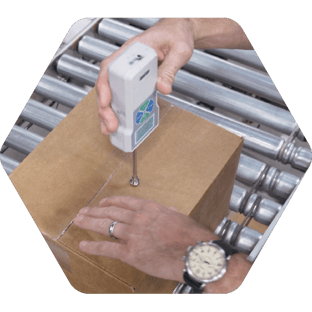
- Measure adhesion strength to corrugated boxes to recommend the best products for the customer’s application
- Evaluates the combined performance of tape, tape head, and application settings
- Demonstrates proven increases in adhesion when paired with the ET Xtreme™ Tape Head
- Quantifies the force required to break a taped case seal under real operating conditions
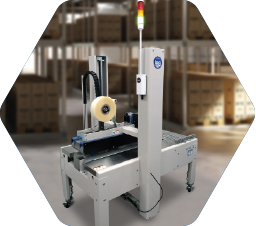
- Monitors case sealer issues such as low tape/no tape, uncut tape, partially taped cases, and sealer jams
- Provides visibility through a web accessible dashboard with automated alerts
- Operates on a secure cellular network, enabling remote monitoring without reliance on local Wi-Fi
- Supports benchmarking, maintenance planning, and rapid response to line
issues


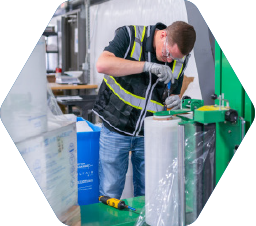
- Evaluates pre-stretch settings, wrap efficiency, and load stability
- Identifies opportunities to improve containment while reducing film
- Supports stretch film downgauging for sustainability and cost reduction
- Includes a detailed performance and savings analysis with clear recommendations
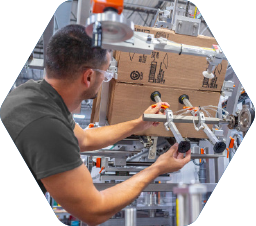
- New machinery installation and commissioning
- Operator training and best practice guidance
- Equipment health audits and diagnostics
- Scheduled preventative maintenance programs
- Support across virtually any equipment brand


- Centralized monitoring of diagnostics data
- Data-driven preventative maintenance recommendations based on equipment cycle counts and performance trends
- Early detection of potential failures before they affect production
- Coordinated support across testing, monitoring, and service functions
AF2K TESTING: INCREASE CARTON SEAL STRENGTH BY UP TO 80.6%
Tape performance is rarely “just the tape.”
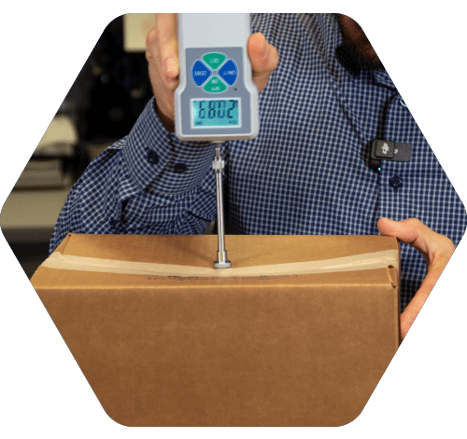
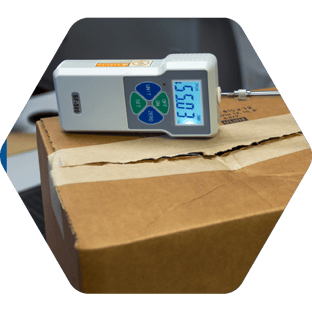
AF2K (Adhesion Force to Kraft) testing measures the force required to break a taped case seal on corrugated boxes. More importantly, AF2K evaluates sealing system as a whole, including:
The pressure
sensitive tape
The tape head
applying it
The machine
settings and
application
conditions
All testing is conducted under real operating conditions, bringing
IPG’s packaging lab expertise directly to the production floor without
interrupting throughput.


WHY AF2K MATTERS
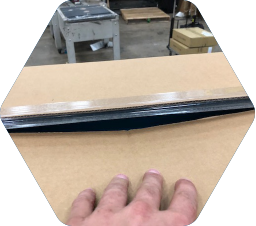
Corrugate quality is constantly evolving. Increased recycled content, surface variability, and supplier changes can significantly affect adhesion performance. A case may appear properly sealed visually while exhibiting reduced bond strength that only becomes apparent during shipping and handling.
AF2K demonstrates the force it takes to break a seal in the field.
WHAT AF2K HELPS YOU DO
AF2K data enables packaging teams to:
- Optimize tape head performance and application settings
- Confirm the correct tape grade and specification
- Reduce case openings, product loss, and shipping disruptions
- Improve confidence in closure performance across environments
- Identify potential tape seal failures early


WHERE ET Xtreme™ FITS
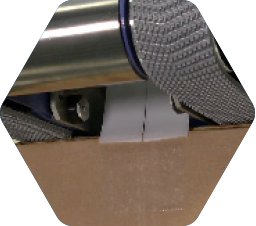
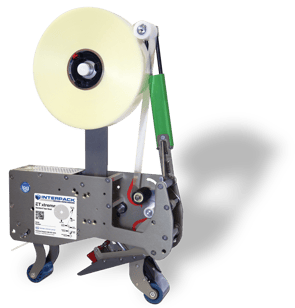
As part of the AF2K program, the ET Xtreme™ Tape Head and IPG carton sealing tape delivers proven improvements in adhesion consistency. Strong closures depend on consistent application—not just material choice—and ET Xtreme™ plays a critical role in maximizing seal integrity.

iTRACK™: MONITORING CASE SEALING PERFORMANCE IN REAL TIME
Case sealing issues often erode productivity in subtle but expensive ways.
A small jam here. A partial seal there. Occasional rework that becomes normalized. Over time, these issues add up to lost throughput, increased labor, and unplanned downtime.

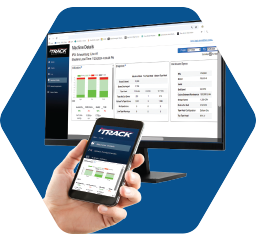
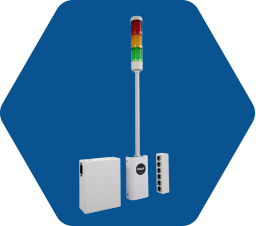
iTrack™ is a data collection and monitoring system designed to improve the efficiency and reliability of case sealing equipment by continuously tracking key failure conditions, including:
Low tape or
no tape
Uncut
tape
Partially
taped cases
Case sealer
jams

iTrack™ delivers real time performance data through a web accessible dashboard supported by automated text and email alerts. Because it operates on a secure cellular network, teams can monitor performance remotely without relying on local Wi-Fi infrastructure.
OPERATIONAL IMPACT
By capturing and analyzing packaging line data, iTrack™ enables teams to:
- Reduce unplanned downtime
- Identify recurring issues and root causes
- Optimize maintenance schedules
- Benchmark improvements over time
- Respond quickly to performance deviations that impact output

GEAR UP®: STRETCH WRAPPING OPTIMIZATION (COST, CONTAINMENT, SUSTAINABILITY)
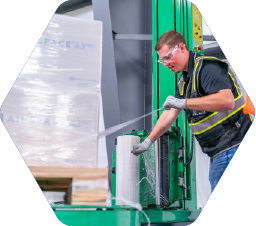
Stretch wrapping is one of the most common—and costly—sources of inefficiency at the end of the line.
Common challenges include:
Excessive
film usage
Inconsistent
wrap force
Poor load
containment
Unstable pallets
that increase
transit risk


WHAT THE GEAR UP® EVALUATION EXAMINES
Specialists analyze:
- Pre-stretch settings
- Wrap patterns and efficiency
- Load stability under real handling conditions
WHAT YOU RECEIVE
Customers receive a detailed performance and savings analysis, including:
- Recommendations to optimize machine settings
- Opportunities to reduce film consumption
- Projected cost savings and sustainability improvements

SUSTAINABILITY AND COST REDUCTION
By supporting stretch film downgauging and maintaining optimized machine performance through scheduled evaluations and preventative maintenance, Gear Up® helps organizations reduce material waste while maintaining—or improving—load containment.
SERVICE & PREVENTATIVE MAINTENANCE: KEEPING EQUIPMENT AT FULL HEALTH
Diagnostics deliver the most value when paired with service support that helps teams act on insights.
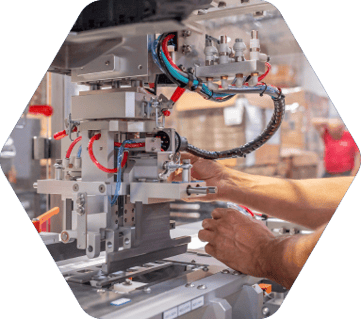
IPG’s Packaging Diagnostics extend beyond testing and monitoring to include comprehensive service and
preventative maintenance offerings, such as:
New machinery
installation and
commissioning

Operator training to ensure consistent
best practices

Equipment health
audits and performance
assessments

Scheduled
preventative
maintenance programs

Repair services
across virtually any
equipment brand

These services help organizations avoid costly reactive repairs, maintain consistent performance, and maximize uptime across their packaging operations.

WHAT TO EXPECT FROM A PACKAGING EFFICIENCY CHECKUP
A Packaging Efficiency Checkup is a practical, line focused evaluation designed to uncover risks and opportunities without disrupting production.
During the checkup, IPG specialists work directly with your team to:
- Identify potential failures before they impact production or shipping
- Strengthen case sealing and load containment performance
- Reduce downtime risk through data driven insight
- Uncover measurable efficiency, cost reduction, and sustainability opportunities
The result is a clear, actionable roadmap for improving packaging performance.

FREQUENTLY ASKED QUESTIONS (FAQS)
WHAT IS AF2K TESTING, AND WHY IS IT IMPORTANT?
AF2K testing delivers confidence in every seal by measuring adhesion strength—helping ensure packages stay secure from pack-out to delivery.
HOW DOES iTRACK™ IMPROVE PACKAGING OPERATIONS?
iTrack™ provides real time visibility into case sealing performance, reduces unplanned downtime, and supports proactive maintenance strategies.
CAN IPG HELP REDUCE MATERIAL COST AND WASTE?
Yes. Gear Up® evaluations help reduce stretch film usage while maintaining load containment and performance.
DO THESE DIAGNOSTICS WORK WITH ALL MACHINES?
Yes. IPG’s diagnostics and service programs support a wide range of case sealing and stretch wrapping equipment.
IS OPERATOR TRAINING INCLUDED?
Yes. Operator training is included to help teams apply diagnostics insights consistently and effectively.
HOW DO PREVENTATIVE MAINTENANCE PROGRAMS HELP?
Preventative maintenance reduces unplanned downtime, avoids reactive repairs, and helps maintain consistent equipment performance.
NEXT STEPS: STRENGTHEN PERFORMANCE BEFORE PROBLEMS SHOW UP

Packaging diagnostics make packaging performance measurable.
With AF2K testing, iTrack™ monitoring, Gear Up® evaluations, and service plus preventative maintenance, IPG helps manufacturers and distributors optimize packaging operations with data driven results—reducing
the risk of failures that disrupt production and supply chains.