

Skip to content

ARE YOU SEEING A RISE IN TAPE FAILURES?

Tape failures have been increasing due to the higher recycled content in corrugated boxes and uneven carton surfaces. Other factors include tape stretching, lifting, and stress from shipping and handling. AF2K testing can help identify weak seals and guide improvements before packages leave your facility.

Opensend reports that the number of packages compromised during shipping rose by 30% year-over-year, affecting 85 million parcels in 2024. Tape failures are a key reason for these compromised shipments, leading to delays, damaged goods, and customer dissatisfaction. Your distribution business might face returns, extra labor, and a damaged reputation when packages arrive compromised. Reducing tape failures protects products, improves reliability, and keeps operations running smoothly. 

WHY ARE TAPE FAILURES INCREASING?

Tape keeps packages secure during shipping, protecting products from damage and tampering. When tape fails, it can lead to:


Asset 18

Product Damage

Asset 18

Lost Items

Asset 18

Customer Complaints

Asset 18

Delayed Delivery

Asset 18

Returns & Rework


Your distribution business needs to understand the causes of tape failures to take proactive actions. Identifying weak seals and addressing them early helps maintain reliability and reduces operational disruptions.


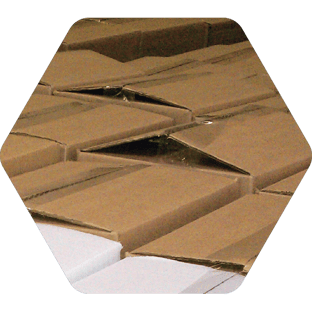
Higher-Recycled-Content-Image


HIGHER RECYCLED CONTENT IN CORRUGATE


Boxes made with higher recycled fiber content often have rougher or uneven surfaces. Tape adhesive struggles to form a strong bond on these textures, making seals more prone to lifting, tearing, or failing under pressure.

Even small inconsistencies in the box’s surface can create weak points. These weak points increase the likelihood of compromised packages during shipping and handling.

INCONSISTENT CARTON SURFACE QUALITY


Not every box has a smooth, uniform surface. Several factors can prevent tape from sticking evenly, including:

  • Texture
  • Surface coatings
  • Dust or debris
  • Box finish

These inconsistencies create weak points along the seal, making it more likely to lift or peel. Uneven adhesion increases the risk of packages failing during handling or shipping.


Inconsistent-Carton-Surface-Quality


Tape-Stretching-and-Lifting-Issues


TAPE STRETCHING AND LIFTING ISSUES


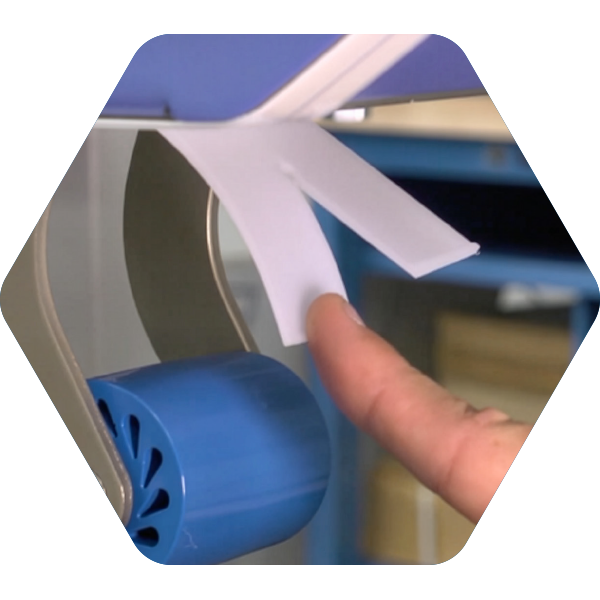
Improper tension or incorrect application can stretch tape, reducing its effectiveness and causing it to lift or pop. Even minor inconsistencies in placement or pressure create weak points along the seal.

These issues directly affect tape performance, leading to compromised packages and an increased risk of damage during transit. Ensuring consistent application helps maintain strong seals and improves overall shipping reliability.

SHIPPING AND HANDLING STRESS


During shipping, packages experience various stresses that weaken tape seals, including:

  • Bumps
  • Drops
  • Vibration
  • Compression
  • Shifting

These forces test tape adhesion, often exposing weak seals that appear fine on the production line. Even minor weaknesses can lead to lifting, peeling, or complete seal failure, increasing the risk of damaged or compromised packages during transit. 


Shipping-and-Handling-Stress


WHAT IS AF2K TAPE TESTING?


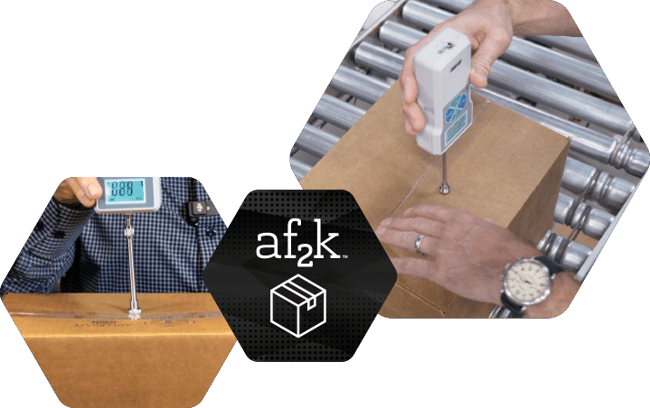
 What-is-AF2K-Tape-Testing-3hex-1AF2K testing measures tape adhesion directly on your boxes, identifying weak seals and highlighting packages at risk during shipping. The test checks:

  • Adhesion strength
  • Seal uniformity
  • Tape stretch
  • Tape head pressure
  • Surface contact
  • Seal durability

These results give actionable insights to improve tape performance and optimize your tape head settings. For reliable shipping, choose tapes that pass AF2K testing, like the ones from IPG. 
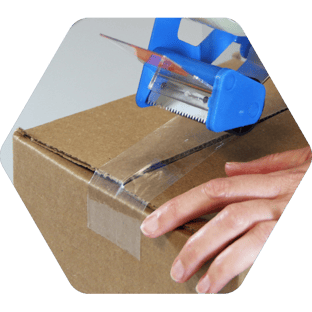
We offer a wide range of industrial tapes designed to maintain strong, consistent seals. They prevent lifting or popping and protect shipments from damage or tampering during transit.

WHY DOES TAPE ADHESION MATTER IN SHIPPING?

Different packages rely on tape to secure contents and protect cartons during transit. Understanding the importance of tape adhesion helps you choose the right tape for your packaging needs.

Strong, consistent tape performance reduces damage, limits disruptions, and supports reliable deliveries across your distribution network.


Preventing-Carton-Seal-Failures


PREVENTING CARTON SEAL FAILURES DURING TRANSIT


Properly sealed boxes rely on strong adhesion to withstand shocks, movement, and handling during transit. Secure bonds keep flaps closed and prevent seals from loosening under pressure.

When adhesion remains consistent across each carton, packages stay intact from packing through delivery. Strong adhesion helps reduce failures, protects contents, and supports dependable shipping performance throughout the distribution process.

PROTECTING PACKAGE FROM DAMAGE AND TAMPERING


Strong seals help deter tampering and preserve product integrity throughout the shipping process. Secure adhesion keeps cartons closed, making interference more visible and less likely.

Reliable seals also protect contents from:

  • Exposure
  • Shifting
  • Loss during handling
  • Contamination
  • Accidental opening

Protection at this level helps shipments remain intact from pickup through delivery. Consistent sealing also supports safer handling across distribution and transit environments.


Protecting-Package-From-Damage


Maintaining-Seal-Integrity


MAINTAINING SEAL INTEGRITY UNDER SHIPPING STRESS


Strong adhesion helps seals hold under real shipping pressures, including weight, movement, and uneven loads. Consistent bonding prevents flaps from loosening when cartons face vibration or stacking stress.

Reliable adhesion also supports heavier or irregular packages throughout transit.

Effective tape management solutions focus on maintaining adhesion across varying conditions. They help packages stay sealed and protected from the warehouse to the final delivery.

Download our eBook 

Our eBook to finding the right fit for your packaging process is a great to have on hand to help answer common questions from your team and overcome objections when making a purchasing decision.

Large-Movers-Carrying-Box

HOW DOES AF2K TESTING WORK ON-SITE?

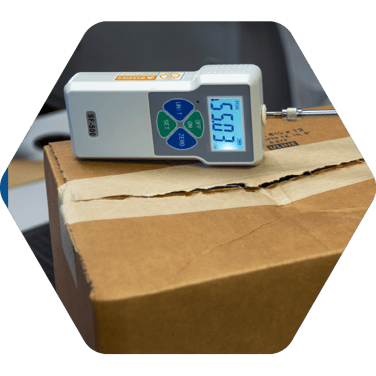
AF2K testing brings the lab directly to your packaging line, allowing real-time evaluation of seal strength. A specialized gauge measures the downward force required to break a tape seal on actual cartons under normal operating conditions.

Clear data provides valuable insights before shipments leave the facility, enabling teams to:

  • Identify weak adhesion
  • Compare closure methods
  • Confirm seal reliability
  • Validate application consistency
  • Reduce in-transit issues

Results reflect real performance across your equipment and materials. Insights gained help strengthen seals and support more reliable shipping outcomes.

UNDERSTANDING AF2K TEST RESULTS

 
Understanding-AF2K-Test-ResultsAF2K test results reveal which tape and application methods deliver the strongest adhesion on your cartons. Data highlights how seals respond to:

  • Pressure
  • Surface conditions
  • Handling forces
  • Temperature changes
  • Humidity levels

Results also show where adjustments improve consistency across the line. Changes to tension, tape selection, or application techniques help strengthen seals and reduce variation. Clear measurements support informed decisions instead of relying on visual checks. Applying these insights allows your team to refine sealing practices, improve reliability, and maintain consistent performance across different box types and operating conditions. Over time, test findings lead to stronger seals and fewer disruptions during distribution.

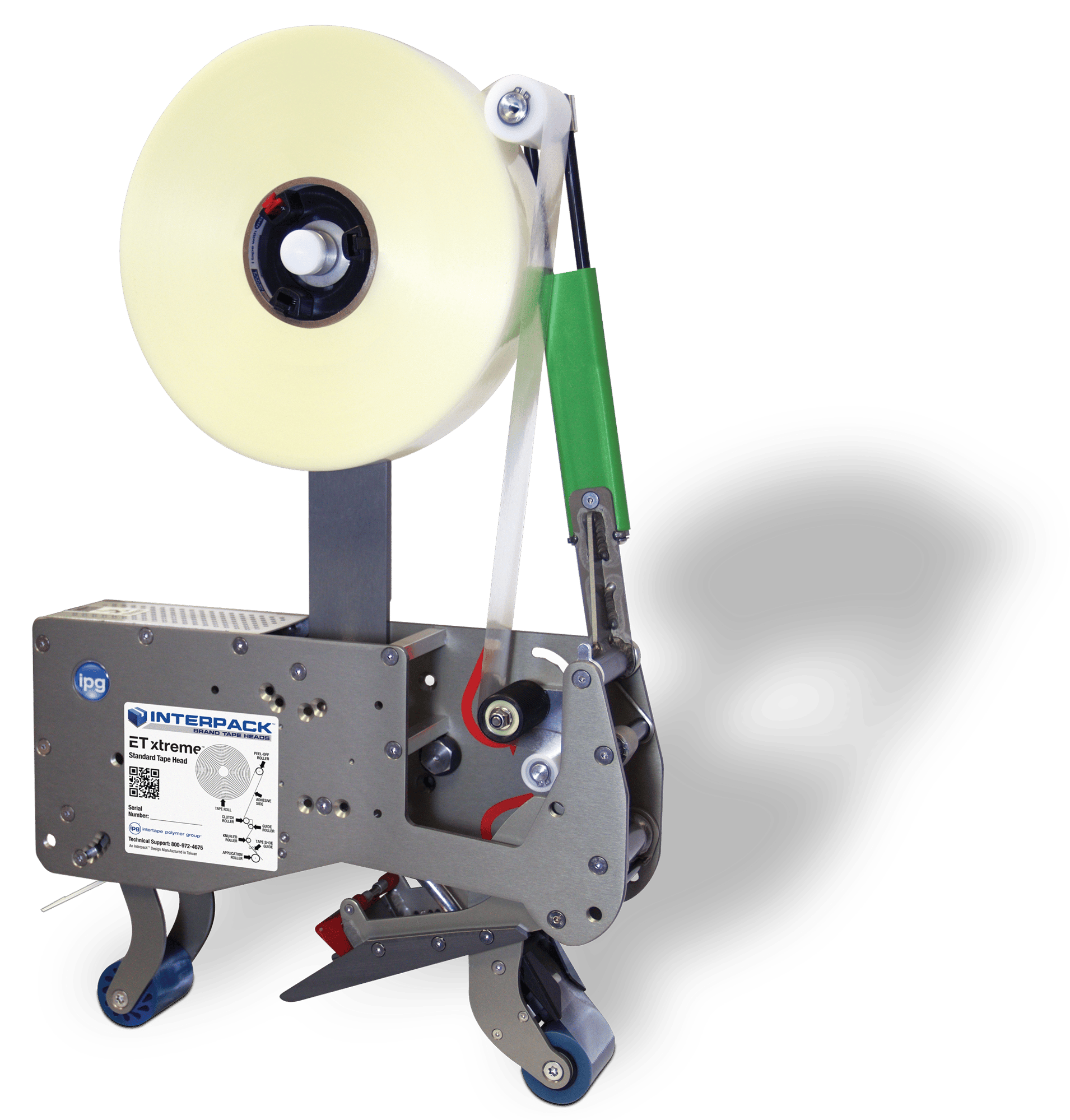
THE ROLE OF THE ET XTREME TAPE HEAD

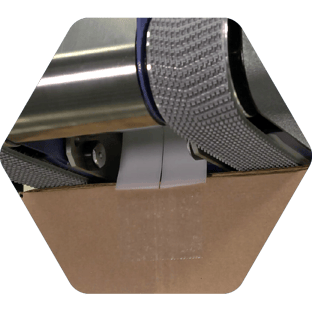
The ETX tape head applies tape with consistent, controlled pressure, ensuring the adhesive bonds deeply into corrugated boxes. By maintaining even tension, it:

Asset 5

Reduces
Stretching

Asset 1

Prevents Lifting
or Popping

Asset 4

Improves Seal
Uniformity

Asset 3

Minimizes
Tape Wrinkles

Asset 2

Enhances Package
Integrity


The result is a stronger, more reliable closure that withstands shocks, vibration, and handling during shipping. Consistent application also minimizes variability between packages, ensuring every box meets the same high standard.

Using the ETX tape head improves overall tape performance, reduces the risk of compromised shipments, and supports smoother operations on the packaging line. Strong seals protect products and maintain customer satisfaction.
Key-Performance-Benefits

KEY PERFORMANCE BENEFITS OF THE ETX TAPE HEAD


The ETX tape head delivers precise control over tape placement, ensuring accurate alignment and complete coverage on every box. Its advanced design minimizes gaps or weak spots that can compromise adhesion.

By providing steady application speed, it reduces tape stretching and tearing, even on larger or irregular cartons. Packages retain structural integrity throughout handling, stacking, and transit.

Fewer failures mean:

Asset 18

Less Damaged
Goods

Asset 1-1

Less Operational
Disruptions

Asset 16

Less Customer
Complaint

Asset 19

Less Shipping
Delays

Asset 15

Fewer
Returns

The ETX system also supports repeatable, measurable results across high-volume lines, helping teams maintain quality standards consistently. Overall, it enhances reliability, strengthens carton protection, and improves confidence that shipments arrive intact and secure.
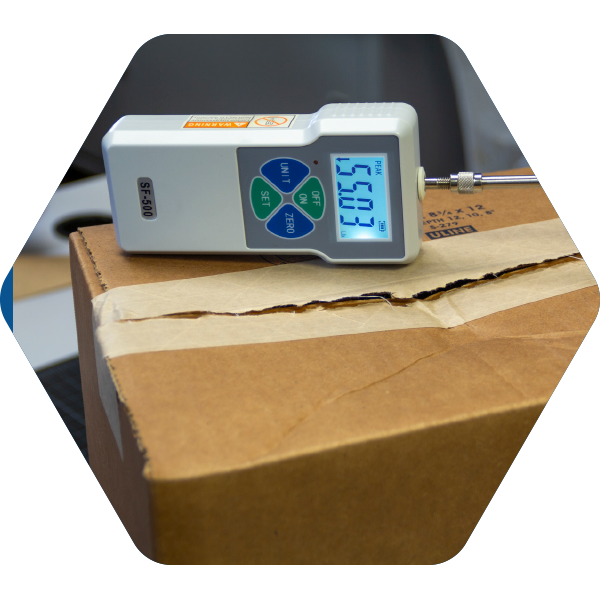
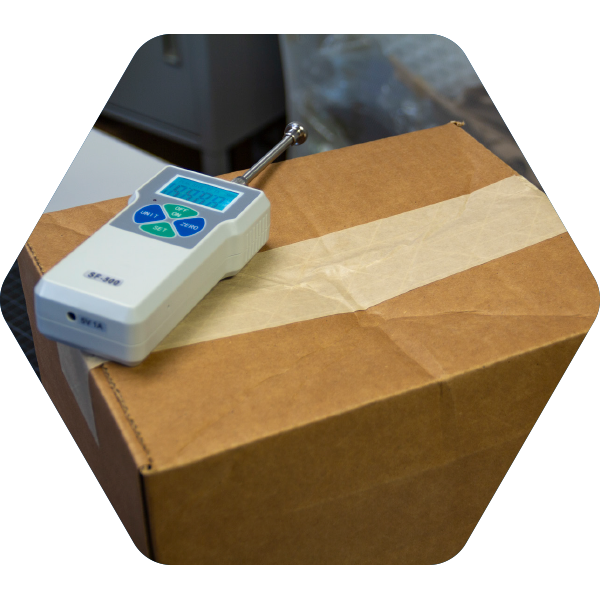
COMPARING CLOSURE METHODS USING AF2K

Side-by-side AF2K testing compares how different tape heads, tapes, and application methods perform on your line. You can see which combinations create the strongest, most consistent seals.

Weak points in current processes become obvious, allowing for improvements. Using reliable tape testing methods provides actionable insights for:

  • Tape selection
  • Application settings
  • Seal consistency
  • Pressure adjustment
  • Adhesion optimization

Measurable results help your team choose the best combination for every package. Stronger seals reduce the risk of tape failure, protect shipments, and maintain consistent quality across the entire production line.

Understanding-AF2K-Test-Results

WHEN TO CONSIDER AF2K TESTING

 
Implement AF2K testing when you notice:

  • Rising tape failures
  • Changes in box material
  • New shipping challenges
  • Increased customer complaints
  • Irregular package shapes

Regular AF2K testing helps you identify weak seals before packages leave your facility. It allows your team to adjust tape type, tension, and application methods based on measurable results. 

Early detection of potential failures reduces the risk of damaged goods, returns, and operational disruptions. By testing proactively, you can maintain consistent seal performance across different materials and shipping conditions.

AF2K testing also provides confidence that every package will withstand handling, stacking, and transit. Integrating these insights into your packaging process strengthens reliability and improves customer satisfaction.

It also keeps your distribution operations running smoothly.

FREQUENTLY ASKED QUESTIONS (FAQS)

ARE CERTAIN ADHESIVES BETTER FOR HIGH-HUMIDITY ENVIRONMENTS?

Yes, some adhesives are designed to maintain strong bonds in humid conditions. Water-resistant or synthetic adhesives adhere better to corrugated surfaces when moisture is present.

Using these specialized tapes reduces lifting, popping, or weakened seals. Standard adhesives may fail faster under high humidity, leading to compromised packages.

Choosing the right tape type for environmental conditions helps ensure consistent adhesion and protects shipments during storage and transit.

HOW DOES TAPE WIDTH INFLUENCE SEAL STRENGTH?

Wider tape provides a larger surface area for adhesion, creating stronger seals on boxes. Narrow tape may fail under stress, especially on heavier or irregular cartons.

Wider tape also distributes tension more evenly across flaps, reducing weak points. However, tape width must match the box size and the application equipment for proper performance.

Testing different widths ensures optimal adhesion. Choosing the right width supports stronger seals, reduces lifting, and protects contents during shipping.

ARE THERE WAYS TO PREDICT TAPE FAILURE WITHOUT TESTING?

Predicting tape failure without testing is possible but less reliable. Factors such as box material, tape type, and environmental conditions indicate potential risks.

Observing past failures and monitoring high-stress shipments can highlight weak points. However, visual inspection alone cannot fully measure adhesion strength.

Using testing methods like AF2K provides measurable data. Combining observation with historical performance trends helps identify areas of concern before failures occur.

CAN ENVIRONMENTAL FACTORS IN WAREHOUSES WEAKEN SEALS OVER TIME?

Yes, warehouse conditions like temperature, humidity, and dust can weaken tape adhesion over time. High heat can soften adhesives, while cold can make them brittle.

Moisture and dust prevent proper bonding on carton surfaces. Prolonged exposure to these factors may lead to lifting, popping, or complete seal failure.

Regular monitoring and proper storage of boxes and tape help maintain seal integrity and ensure packages remain secure before shipping.

WHAT IS THE IMPACT OF CARTON COATINGS ON TAPE ADHESION?

Carton coatings, such as glossy finishes or protective laminates, can prevent tape from forming a strong bond. Smooth or coated surfaces reduce surface friction, causing lifting or peeling.

Some adhesives may struggle with these coatings. Choosing compatible tapes improves adhesion and prevents seal failures.

Testing tape on coated cartons ensures the selected tape performs reliably under real-world conditions.

CAN AF2K TESTING HELP SELECT THE RIGHT TAPE FOR AUTOMATED LINES?

Yes, AF2K testing shows which tapes perform best under high-speed, automated conditions. It measures adhesion, uniformity, and seal strength on actual boxes.

Results highlight how different tape types, widths, or application settings respond to fast production lines.

Using AF2K testing ensures the chosen tape works reliably without lifting, stretching, or popping. Reliable performance reduces failures and keeps automated lines running efficiently.

Strong seals also maintain package integrity throughout shipping and handling.

HOW DO PRINTING OR LABELS ON BOXES AFFECT TAPE ADHESION?

Printing or labels on boxes can interfere with tape adhesion by creating uneven or slippery surfaces. Glossy inks, stickers, or large labels reduce the contact area between tape and carton, increasing the risk of lifting or peeling.

Certain adhesives may struggle to bond to these surfaces. Testing tape on labeled or printed boxes ensures reliable seals and prevents compromised packages during handling, stacking, and transit.

LEVERAGE AF2K TESTING TO PREVENT TAPE FAILURES

AF2K testing helps identify weak seals, optimize tape selection, and improve overall package reliability. Using these insights ensures consistent adhesion and reduces the risk of compromised shipments during handling and transit.

At IPG, we provide a full range of packaging solutions, including pressure-sensitive tapes, films, and protective packaging. Located in Sarasota, Florida, our team is led by CEO Peter C. Durette. He brings 13 years of senior experience at WestRock and MeadWestvaco in corrugated and packaging operations.

We focus on sustainability and ethical practices across our supply chain.

WANT TO LEARN MORE ABOUT OUR PRODUCTS?