Skip to content

EXPERTS GUIDE:

To Choosing the Right Roof Underlayment

Installing roof underlayment is a critical step in any construction project and protects a structure from:Efficient-RU-Hex

  • Leaks
  • Mold
  • Premature roof failure

US demand for underlayment reached $2.3 billion in 2024. Growth is speeding up as homeowners and contractors move toward higher performance materials.

Whether you’re a seasoned contractor or a first-time DIYer, getting this layer right is non-negotiable. Why? Because underlayment is your roof’s hidden defense system. And yet, many homeowners still underestimate its role or install it incorrectly.

This guide breaks down the different types of underlayment, why they matter, and how to install them to meet modern building codes and ensure durability.

If you want to avoid costly repairs and extend your roof’s lifespan, start here. These are the essential underlayment installation tips every homeowner and roofer should know. 


Download our eBook

Our eBook to finding the right fit your roof underlayment projects and is great to have on hand to help answer common questions from your team and overcome objections when making a purchasing decision.

WHY IS ROOF UNDERLAYMENT IMPORTANT?

Roof underlayment is installed directly on top of the roof deck and beneath the outer roofing material (like shingles or metal panels). The key benefits of roof underlayment include:

Moisture-Protection_Icon
Wind-Resistant_Icon

Moisture Protection: It blocks wind-driven rain and ice dams from reaching the roof deck.

Wind Resistance: Helps prevent uplift and blow-offs during storms.

UV-Protection_Icon
Fire-Resistant_Icon

UV Protection:
Some synthetic underlayments resist UV damage during extended exposure.

Fire Resistance: Many underlayments help meet Class A fire ratings.

Man-on-Roof-Hex

WHAT ARE THE DIFFERENT TYPES OF ROOFING UNDERLAYMENT?

Choosing the right material is essential for performance and compliance. Here’s a breakdown of the different types of roof underlayment:

Ashphalt-Roofing-Hex

ASPHALT-SATURATED FELT

Asphalt-saturated felt, also known as felt paper or tar paper, is a traditional underlayment for roofs. It is made from an organic or fiberglass base that is soaked in asphalt.

This material has been used for decades and is still used in some projects:

  • Available in two standard weights, No. 15 and No. 30 felt, No. 30 is thicker and more durable.

  • More affordable than newer materials, making it attractive for budget conscious projects.

  • Provides water resistance, but it is not fully waterproof.

  • Heavier and also more prone to tearing than synthetic underlayments, particularly during installation or in high-wind conditions.

  • Not ideal for harsh climates or roofs that will remain exposed for long periods before the final roofing is installed.

SYNTHETIC UNDERLAYMENT

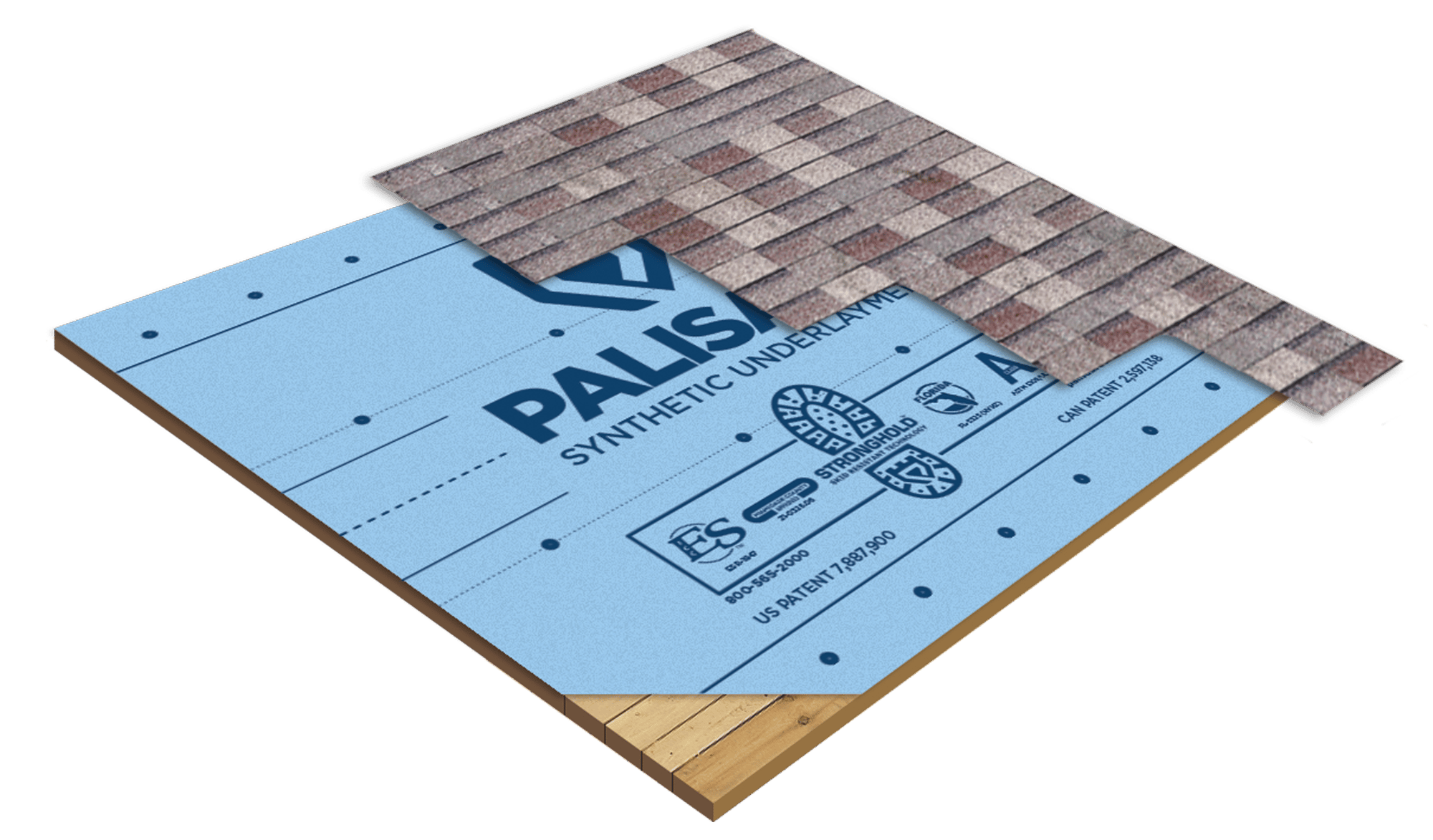
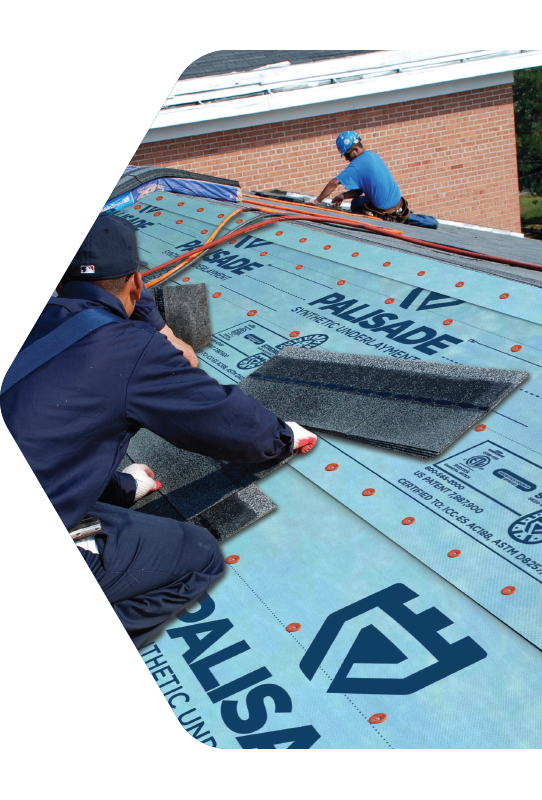
This is a modern alternative to traditional felt. It is made from polymer materials such as polypropylene or polyethylene.

Unlike asphalt-saturated mats, these sheets are stronger, safer, and more weather-resistant. Consider the following:
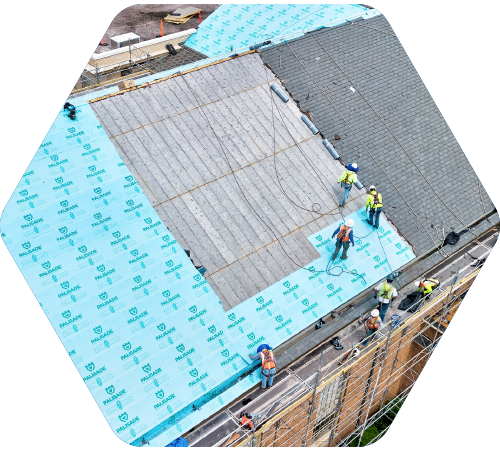
  • Men-on-Roof-Palisade-HexLightweight and Tear-Resistant: It is easy to carry during installation and holds up well against foot traffic
    and wind.
  • Intense Moisture and UV Resistance: It can withstand prolonged exposure without wrinkling, breaking
    down, or absorbing water.
  • Safer to Walk On: Most products feature slip-resistant surfaces, improving safety for installers on steep
    or wet roofs.
  • Compatible With Many Roofing Systems: A range of products is approved for various roofing materials.
  • More Expensive Than Felt: Upfront price is higher, but longevity and reduced risk of failure can make it cost-effective.
  • Ideal for Most Climates: It gives reliable protection in both hot and cold weather.
Synthetic underlayment is now the industry standard for new construction and re-roofing. It performs well and meets modern building codes.


RUBBERIZED ASPHALT

Rubberized asphalt underlayment is a high-quality, self-adhesive material made from rubber polymers and asphalt. It is:
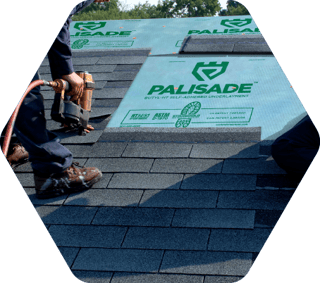
  • Fully Waterproof and Self-Sealing: It forms a watertight barrier and seals around nails and staples, reducing the risk of leaks.
  • Ideal for High-Risk Areas: Commonly used in valleys, eaves, roof edges, and low-slope sections where water tends to collect or back up.
  • Heavier and More Expensive: It is often applied only in vulnerable zones rather than across the entire roof deck.
  • Excellent for Ice Dam Protection: It works well in cold climates where freeze-thaw cycles can push water under shingles.
  • Made to Last: It sticks tight and holds up in harsh weather, making it a smart pick for residential or commercial roofs in stormy or snowy regions.

PEEL-AND-STICK MEMBRANES

Butyl-Palisade-Roof-HexSome peel-and-stick underlayments are made from rubberized asphalt or modified bitumen with a polymer or fiberglass backing.

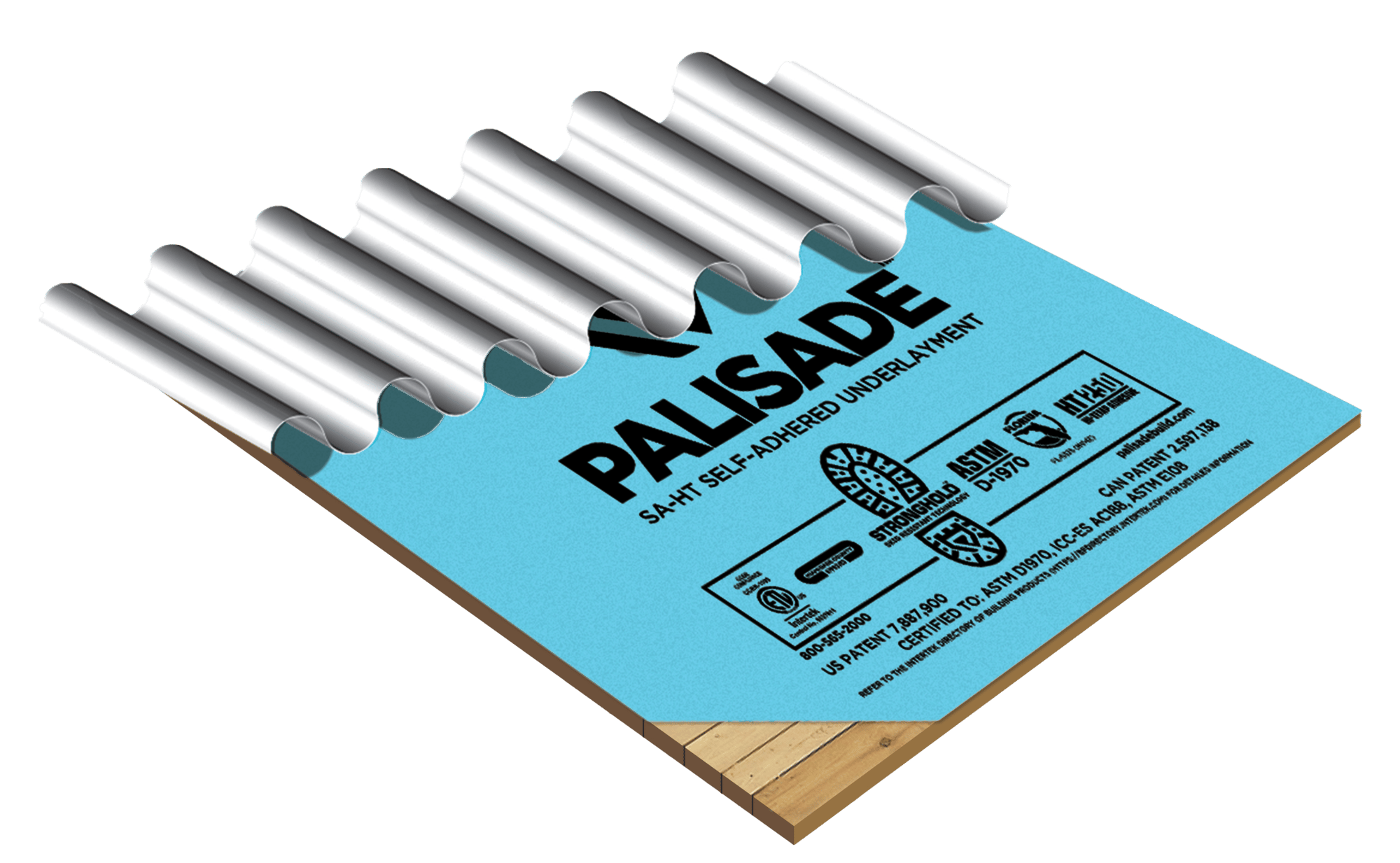
Peel-and-stick membranes are selfadhering underlayment designed for quick, secure application. It sticks directly to the roof deck, so you don’t need mechanical fasteners. Benefits to consider include:

  • Easy to Apply: The adhesive layer simplifies installation and reduces labor time, especially in tight or complex areas.

  • Ideal for Leak-Prone Zones: Often installed in valleys, along eaves and roof edges, and around chimneys or skylights.Butyl-Church-Roof-Hex

  • Excellent for Low-Slope Roofs: Forms a tight seal in spots that hold water or have slow drainage.

  • Self-Sealing Around Fasteners: Helps prevent leaks even when nails or screws penetrate the surface.

  • Durable and Weather-Resistant: Resists wind-driven rain, ice dams, and snow buildup.

These underlayments are often used with synthetic or felt layers to reinforce vulnerable areas. They are easy to use and provide excellent waterproofing. This makes them a smart choice for roofs in areas with heavy rain or snow.
CHOOSING THE RIGHT UNDERLAYMENT FOR LASTING PROTECTION

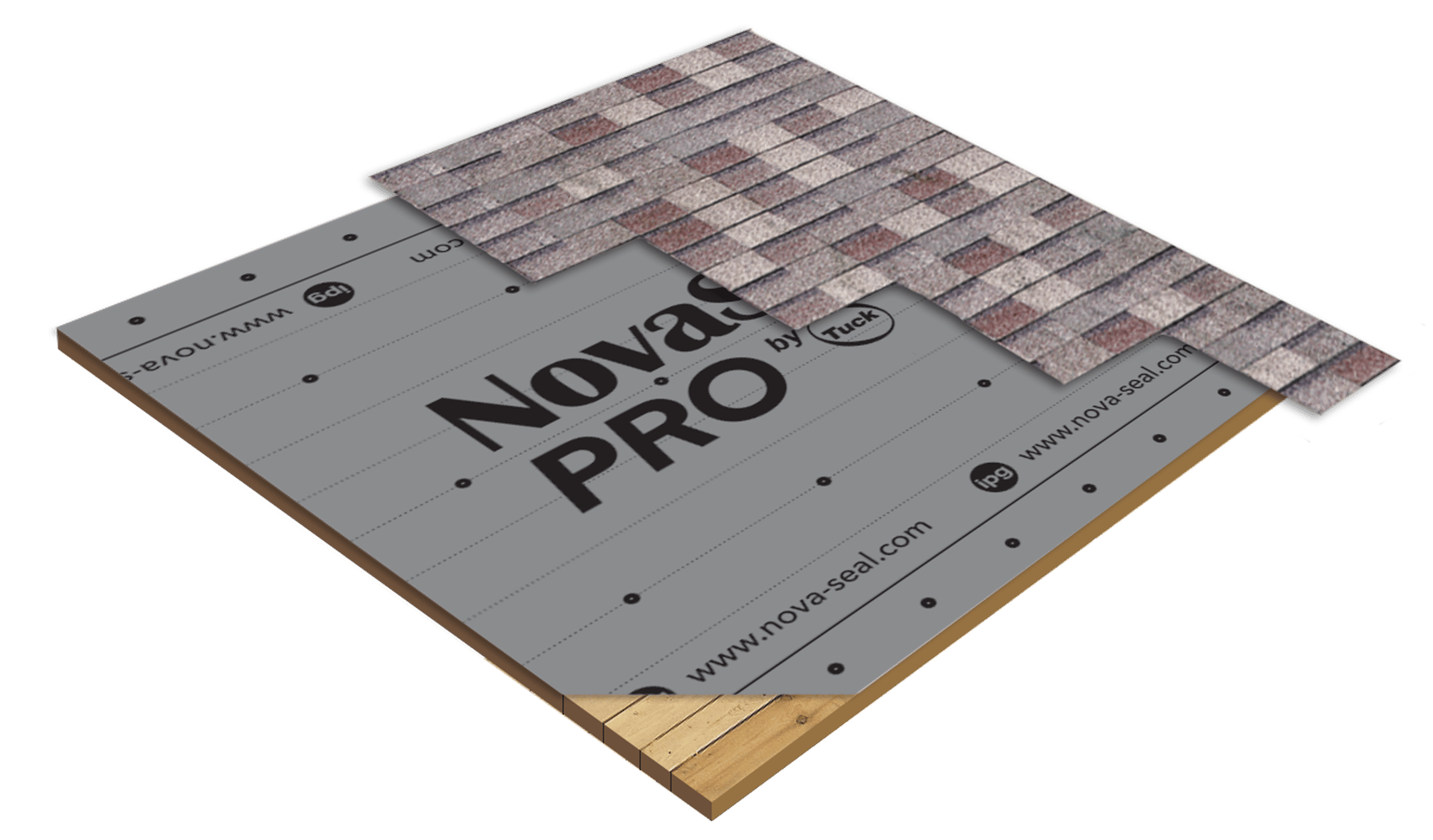
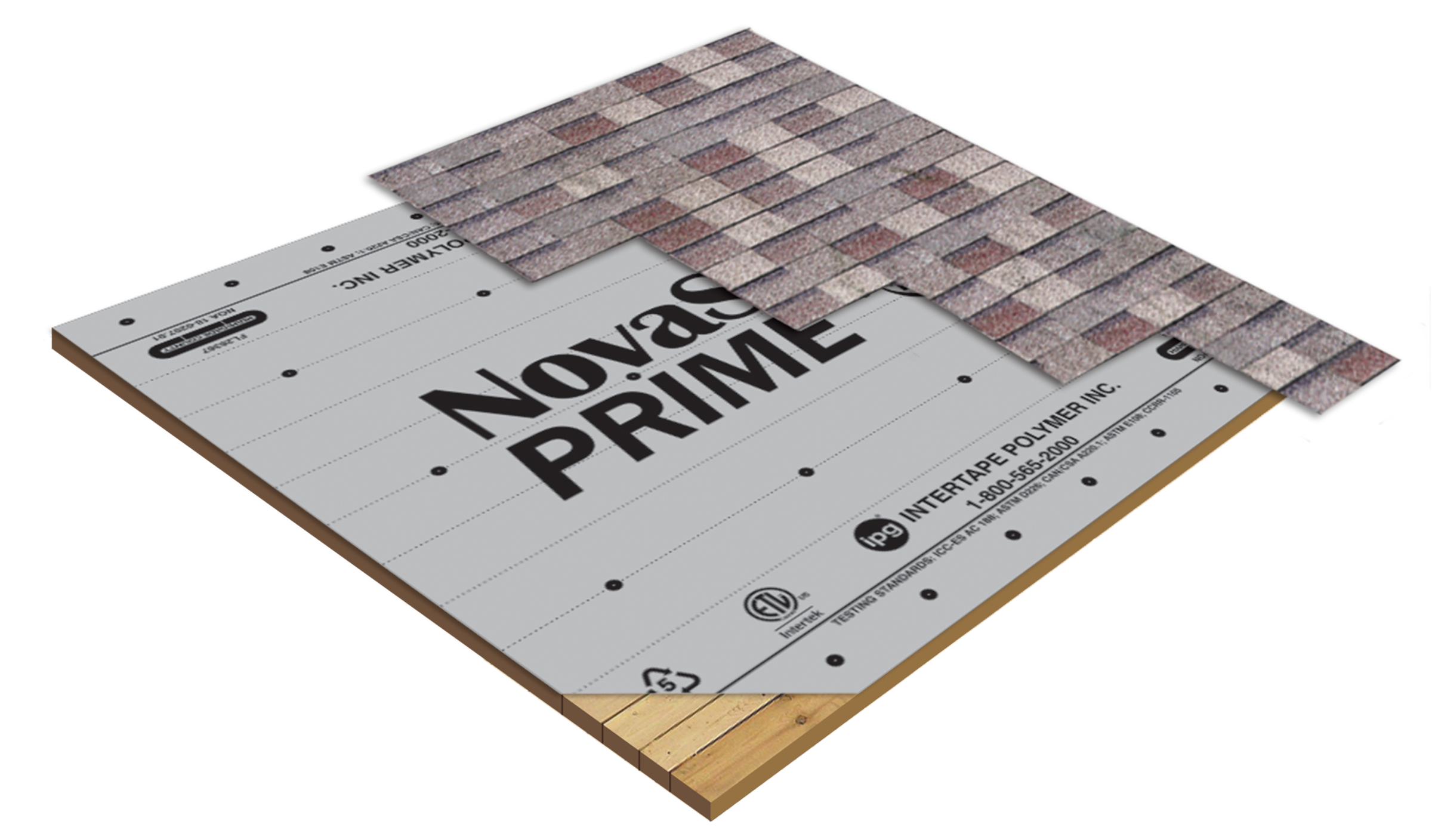
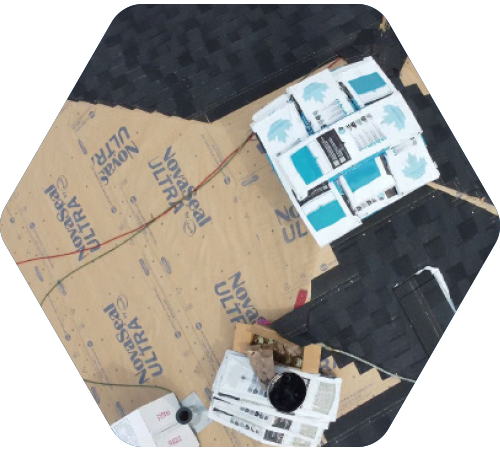
ECP offers seven roof underlayment solutions designed to protect steep-slope roofs in any condition. NovaSeal® synthetic underlayments come in three options:

NovaSeal-PRO-shingles-b 1

PRO: A cost-effective choice with
a slip-resistant surface for value-focused residential projects.

NovaSeal-PRIME-shingles

PRIME: A balanced option that delivers durability and safety for residential roofs.

NovaSeal-ULTRA-High

ULTRA: A reinforced premium
underlayment built for maximum
longevity in harsh weather


Palisade® underlayments include advanced synthetics and self-adhered options. Take a look:

Palisade UDL-shingle-roof
Palisade SA-HT-metal roof-1
Palisade BUTYL-HT-metal roof

UDL: Lightweight with Stronghold™ skid resistance for safer walking.

SA-HT: Self-adhered, heat stable up to ~250°F with high-traction safety.

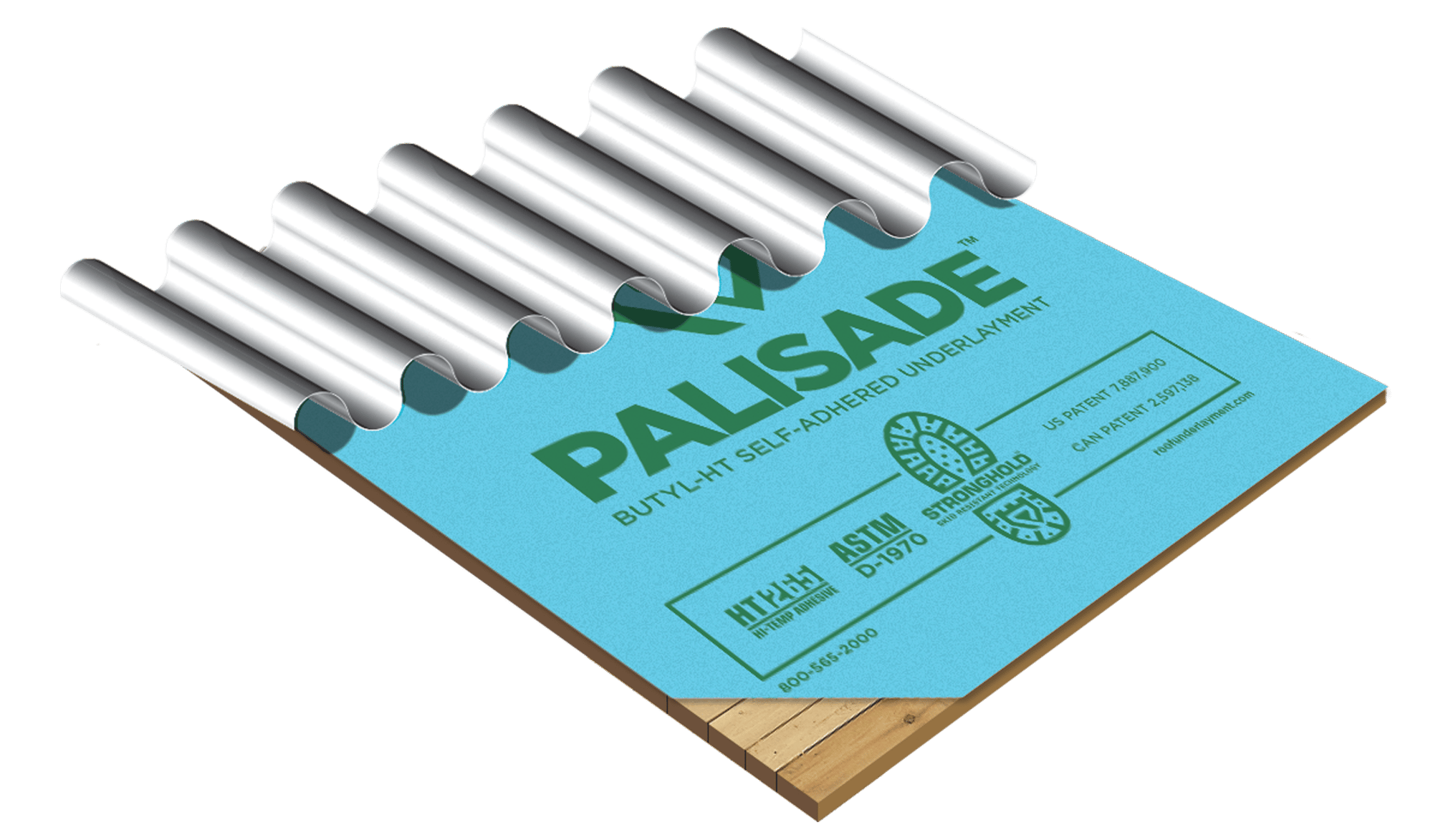
Butyl-HT: Premium self-adhered underlayment with superior adhesion and heat resistance up to about 265°F.

Palisade BUTYL-HT Plus-metal roof

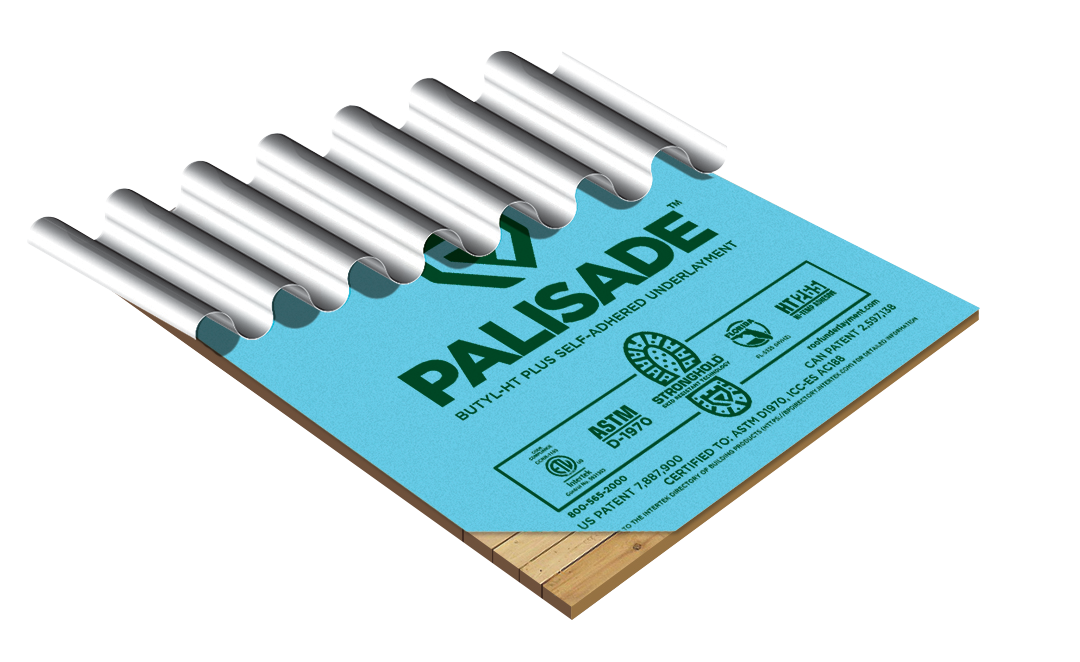
Butyl-HT PLUS: A high temperature (265°F), 100% butyl, non-asphaltic underlayment with superior adhesion over a wide temperature range.

Together, NovaSeal® and Palisade® provide contractors and builders with reliable protection. They also offer flexible installation options and the right underlayment for any project and budget.

Each product is designed to suit different roof types, climates, and installation needs.

HOW TO INSTALL ROOF UNDERLAYMENT

Installing roof underlayment properly ensures your roof’s long-term performance and keeps your property protected. Here’s a step-by-step roof underlayment installation guide to follow:

CHECK ROOF UNDERLAYMENT CODES AND STANDARDS

Always follow the manufacturer’s instructions and local building codes when installing underlayment. Some common standards to be aware of include:

  • ICC-ES AC188: Sets rules for self-adhered underlayments on steep-slope roofs.

  • ASTM D8257: Tests synthetic underlayments for strength and water resistance.

  • ASTM E108 Class A: Top fire-resistance rating for roofing materials.

  • CAN/CSA A220.1-06: Canadian rules for underlayment performance and durability.
PREPARE THE ROOF DECKSHow-to-Install-HEX

Before laying any underlayment, the roof deck must be clean, dry, and structurally sound. This step prevents future issues like mold, rot, or adhesion failure:

  • Clean and inspect for loose nails, debris, or remnants of old underlayment.

  • Repair any damaged sheathing or soft spots with the correct products.

  • Make sure ventilation openings are clear and unobstructed.

  • Confirm the deck is completely dry before proceeding.

INSTALL DRIP EDGE AND FLASHING 

These are critical components that help direct water away from vulnerable areas. Installing them in the correct sequence ensures proper water shedding and long-term performance. Here’s a breakdown to help you get started:

  • Install drip edge along the eaves before applying underlayment.

  • Install drip edge at the rakes after the underlayment is in place.

  • Install and seal flashing around chimneys, vents, and skylights before covering with underlayment.

ROLL OUT THE FIRST COURSE

Rolling out the first course correctly sets the foundation for a watertight system. Begin installation at the lowest point and work upward:

  • Start at the eaves and roll the underlayment horizontally across the deck.

  • Align the material straight and allow a 1 to 1.5 inch overhang past the drip edge.

  • Keep the underlayment flat and wrinkle-free to avoid buckling or water pooling.

FASTEN AND SECURE

Using the correct fasteners and spacing is essential. Doing this prevents tearing and ensures good wind resistance.

Always follow the manufacturer’s specifications for your chosen underlayment. Follow this guide:

  • Use plastic cap nails or cap staples approved for synthetic underlayment.

  • Avoid standard staples unless the product manufacturer permits them.

  • For synthetic underlayment in normal wind zones, space fasteners 24 inches on center in the field and 6 inches on center along overlaps.

  • In high-wind zones, reduce spacing as required by local codes or product guidelines.

  • Ensure fasteners are flush and not overdriven, which can damage the material.How-to-Install-Packets-HEX
OVERLAP ROWS PROPERLY

Proper overlapping prevents water from seeping between seams and ensures full coverage. Always stagger seams and keep a straight, tight overlap throughout the roof.

Minimum roof slope should be 2:12 for proper drainage and performance. The recommended overlaps are 4 inches horizontally and 6 inches vertically. The safest approach is to follow the product instructions, since each system is tested with its own spacing and layout.

Vertical installation of some products is not advised. Doing this can increase the risk of water intrusion and may violate building codes.

PROTECT VALLEYS, EDGES, AND PENETRATIONS

These are high-risk zones for leaks. Reinforcing these areas with extra materials ensures long-term waterproofing. Consider these tips:

  • Apply peel-and-stick membranes or double layers of underlayment in valleys and roof transitions.

  • Trim the underlayment tight around roof openings, and seal the edges with approved tape or sealant.

  • Extend the underlayment over rake edges and secure it beneath metal rake flashing to block wind-driven rain.

FINAL INSPECTION BEFORE ROOFING

Before installing shingles or panels, inspect the underlayment for any defects or exposure risks. This final check helps prevent costly repairs and ensures warranty compliance:

  • Wear safety gear and walk the roof carefully, checking for wrinkles, tears, loose fasteners, or exposed seams.

  • Replace or repair any damaged sections immediately.

  • Confirm the product’s UV exposure rating if the  underlayment will remain uncovered.

After installing and inspecting the underlayment, you can proceed with the final roofing material.
ROOF UNDERLAYMENT TIPS FOR SUCCESS

Small mistakes in underlayment can lead to big problems later. Keep these best practices in mind:

  • Avoid installing in wet conditions as moisture can compromise adhesion and performance.

  • Don’t rush; precision matters more than speed.

  • Follow manufacturer guidelines for fasteners, overlaps, and exposure limits.

  • Inspect during installation to catch issues early.

Tips-Dual-HEX

FREQUENTLY ASKED QUESTIONS

WHAT IS THE BEST UNDERLAYMENT FOR MY ROOF?

The best underlayment depends on your roofing material. Here’s a quick guide:

  • Asphalt Shingles: Most synthetic options or felt work well.

  • Metal Roofing: Use high-temp-rated underlayments to withstand heat transfer.

  • Tile or Slate: Choose reinforced or double-layered products for added support.

  • Wood Shakes or Shingles: Use breathable underlayments to allow moisture escape and prevent rot.

CAN I INSTALL ROOF UNDERLAYMENT MYSELF?

Yes, many homeowners install underlayment themselves. Synthetic types are typically easier to handle. However, always follow manufacturer instructions and local building codes.

If your roof has steep slopes, valleys, or penetrations (like chimneys or skylights), hiring a professional is best. At ECP, you will find experts to help you through the whole process.

HOW LONG CAN YOU LEAVE SYNTHETIC UNDERLAYMENT EXPOSED BEFORE ADDING SHINGLES?

Most synthetic underlayments allow up to 90 days of exposure, depending on the brand. IPG’s Palisade® Butyl-HT resists UV damage for up to 6 months. This makes it a strong option for projects with longer installation timelines.

IS ROOF UNDERLAYMENT REQUIRED BY CODE?

Yes, most building codes need roof underlayment as part of a complete roofing system. The type and installation method may vary depending on your region’s climate and risk factors, such as hurricanes or snow loads.

WHAT IS THE DIFFERENCE BETWEEN SYNTHETIC AND FELT UNDERLAYMENT?

Synthetic is a polymer-based woven fabric, while felt is a lightweight, non-woven fiberglass soaked in asphalt.

CAN SYNTHETIC UNDERLAYMENT HANDLE HIGH HEAT?

Yes. The “HT” in SA-HT, Butyl-HT and Butyl-HT PLUS indicate high-temperature stability.


THE BOTTOM LINE ON INSTALLING ROOF UNDERLAYMENT

Installing roof underlayment is a critical step in protecting your home from moisture and structural damage. Selecting the right product for your roof and climate helps ensure long-term performance and fewer repairs.

Protect your roof with ECP’s high-performance underlayment. Built for durability and weather resistance, our products are trusted across construction, industrial, and water management projects. With 30+ years of experience and advanced manufacturing, we deliver proven quality.

Pro-FAQ-Hex

WANT TO LEARN MORE ABOUT ROOF UNDERLAYMENT?